
Written by Dr. Claire Akashi
Periodontal disease is one of the most common health issues seen in both dogs and cats. In fact, studies show that up to 80–90% of dogs over the age of three and a majority of cats over four years old have some level of dental disease. Even more surprising is that many pets show little to no obvious signs in the early stages.
What makes dental disease especially concerning is that it doesn't just affect the pet's oral health. While it begins with the teeth and gums, it can progress and impact your pet's overall health, leading to more serious systemic concerns over time and affecting major organs like the heart.
So how can you tell if your pet may be affected, and what can you do as a pet owner to support their dental health throughout their life? Let's take a closer look at your pet's dental care options and how we can partner together to keep your pet healthy.
What Is Periodontal Disease in Pets?
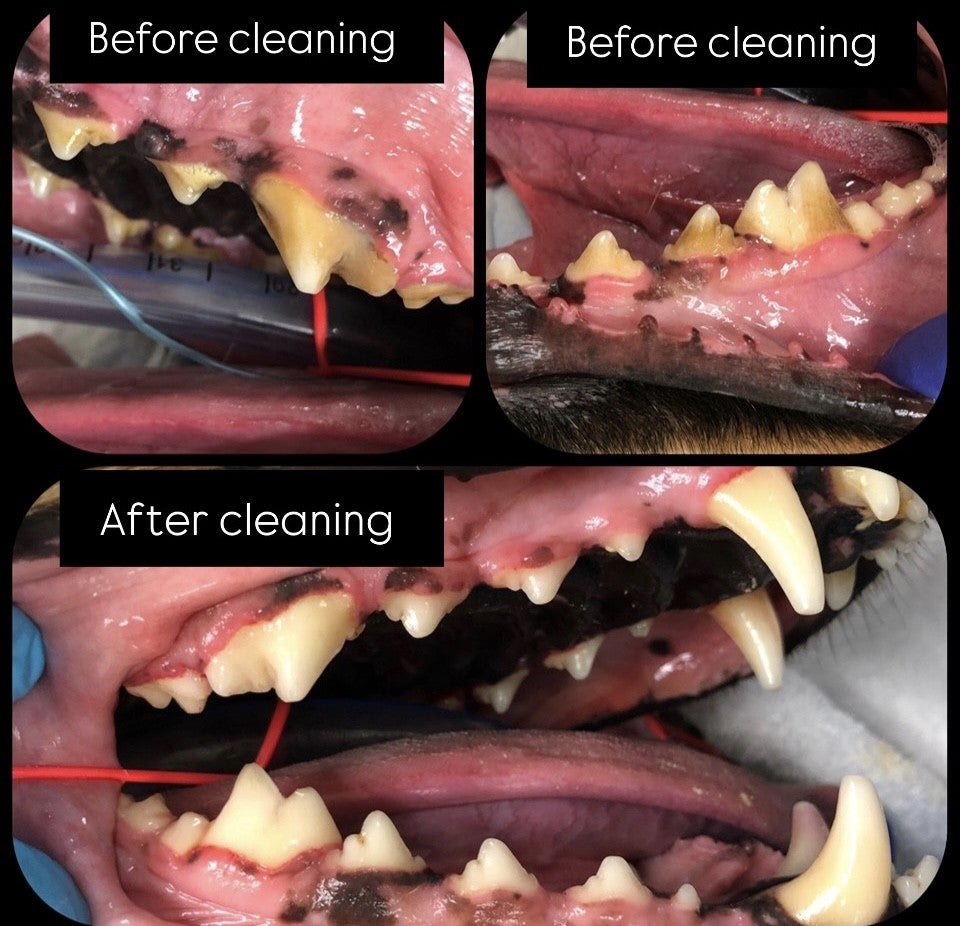
If you've ever looked at your dog's or cat's teeth and seen a yellow or brown buildup along the gumline, that's called tartar (also known as calculus). This buildup begins as plaque, a soft film of bacteria that forms on the teeth every day. If plaque isn't removed through brushing or other dental care, it can harden into tartar within about 48 hours.
At first, this may cause mild gum irritation, known as gingivitis. You might notice some redness or slight inflammation where the tooth meets the gum. At this stage, the condition is still reversible with proper care.
If inflammation is allowed to progress, it can extend beneath the gumline and begin to affect the deeper structures that anchor the teeth. At this stage, the condition becomes more severe. This serious condition is known as periodontal disease, which targets the tissues that support your pet's teeth, such as the surrounding bone, ligaments, and gums.
One of the challenges with dental disease in pets is that much of the damage happens below the surface, where you can't easily see it. So even if your pet's teeth look fairly clean from the outside, there may still be underlying disease that requires attention.
Signs of Dental Disease in Pets
 One of the biggest challenges with periodontal disease is that many pets show no obvious symptoms until the condition is advanced. However, there are subtle signs pet owners can watch for at home.
- Bad breath or noticeable mouth odor
- Drooling or pawing at the mouth
- Difficulty eating or taking longer to finish meals
- Chewing on one side of the mouth
- Loose or missing teeth
- Bleeding gums
- Behavior changes such as irritability or withdrawal
- Decreased interest in toys or chews
If you notice any of these signs, it is important to schedule a veterinary exam. By this stage, dental disease is often already advanced and requires professional care.
How Periodontal Disease Affects Dogs and Cats
In the earlier stages, you may not notice your dog or cat having much beyond bad breath or mild gum inflammation. But as the disease advances, it can cause the tissues around the teeth to break down. This can lead to loose teeth, discomfort or pain while eating, and eventually tooth loss.
In more severe cases, the infection can extend deeper into the jawbone. This may result in bone loss, tooth root abscesses, or even weakening of the jaw itself. For some pets, especially smaller dogs, this can increase the risk of jaw fractures.
For cats, dental disease can be especially uncomfortable. Conditions like gingivitis, periodontitis, and tooth resorption are common and can significantly impact their quality of life. Some cats may stop eating altogether due to oral pain, which can quickly lead to additional health concerns.
More Than Just Dental Concerns
It's also important to remember that dental disease isn't just a "mouth issue." Chronic inflammation and bacteria in the mouth can enter the bloodstream and travel throughout the body, potentially affecting organs like the heart, liver, and kidneys over time. This is one of the reasons dental care plays such an important role in your pet's overall health.
Treatment Options for Periodontal Disease
 If your pet is diagnosed with periodontal disease, the next steps will depend on how advanced the condition is. The good news is that there are effective treatment options available, especially when the disease is caught early.
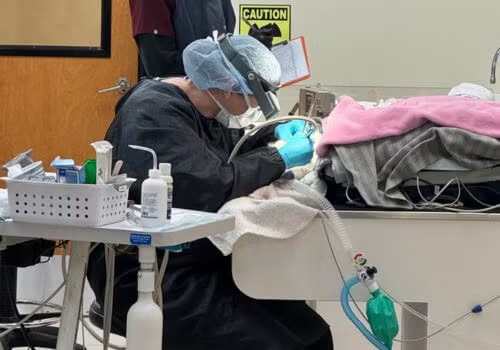
In many cases, treatment begins with a professional dental cleaning combined with a consistent at-home dental care routine for your dog or cat to remove plaque and tartar and help prevent further progression.
As the disease advances, more involved treatment may be needed. This can include addressing infection below the gumline, removing damaged teeth, or treating areas where the supporting structures have been affected.
Dental cleanings and treatments are performed under general anesthesia. While this may sound intimidating, it allows your veterinary team to safely and thoroughly clean both above and below the gumline – where much of the disease occurs – and to fully evaluate each tooth.
During the procedure, your veterinarian can identify and address hidden issues such as loose teeth, infection, or early signs of more serious disease.
How to Prevent Your Pet's Periodontal Disease at Home
There is a lot you can do at home to help prevent periodontal disease and support your pet's long-term dental health. The goal is to consistently reduce plaque before it has a chance to harden into tartar.
The most effective tool we have is brushing your pet's teeth. Regular teeth brushing helps remove plaque from the surface of the teeth and along the gumline before it can cause irritation. While daily brushing is ideal, even brushing a few times a week can make a difference. If you're learning how to brush your pet's teeth, your veterinary team is happy to help guide you through the process step by step.
Not every pet will tolerate brushing right away, and some may never fully accept it. That's okay. Dental care is not all-or-nothing, and there are other ways to help support oral health at home!
Many pet owners find success using a combination of options, such as dental diets, cat dental treats, and dog dental chews designed to help reduce plaque. There are also water additives, oral gels, and dental wipes that can be helpful, especially for pets who are more sensitive to brushing.
It's also important to be thoughtful about what your pet chews on. While chewing is a natural and beneficial behavior, very hard items like bones, antlers, or hooves can actually damage teeth by causing fractures or excessive wear. Choosing safe, veterinarian-recommended options can help support dental health without increasing risk.
At the end of the day, prevention works best when it's consistent and tailored to your pet. Even small steps, done regularly, can have a big impact over time on your dog or cat's dental health.
At-Home Dental Care Options
- Daily or every-other-day toothbrushing
- Veterinary-approved dental diets
- Cat dental treats and dog dental chews
- Water additives, oral gels, and dental wipes
- Products approved by the Veterinary Oral Health Council (VOHC)
While these tools can help reduce plaque and tartar, they work best when used consistently and in combination with routine veterinary care.
The Importance of Routine Veterinary Dental Care
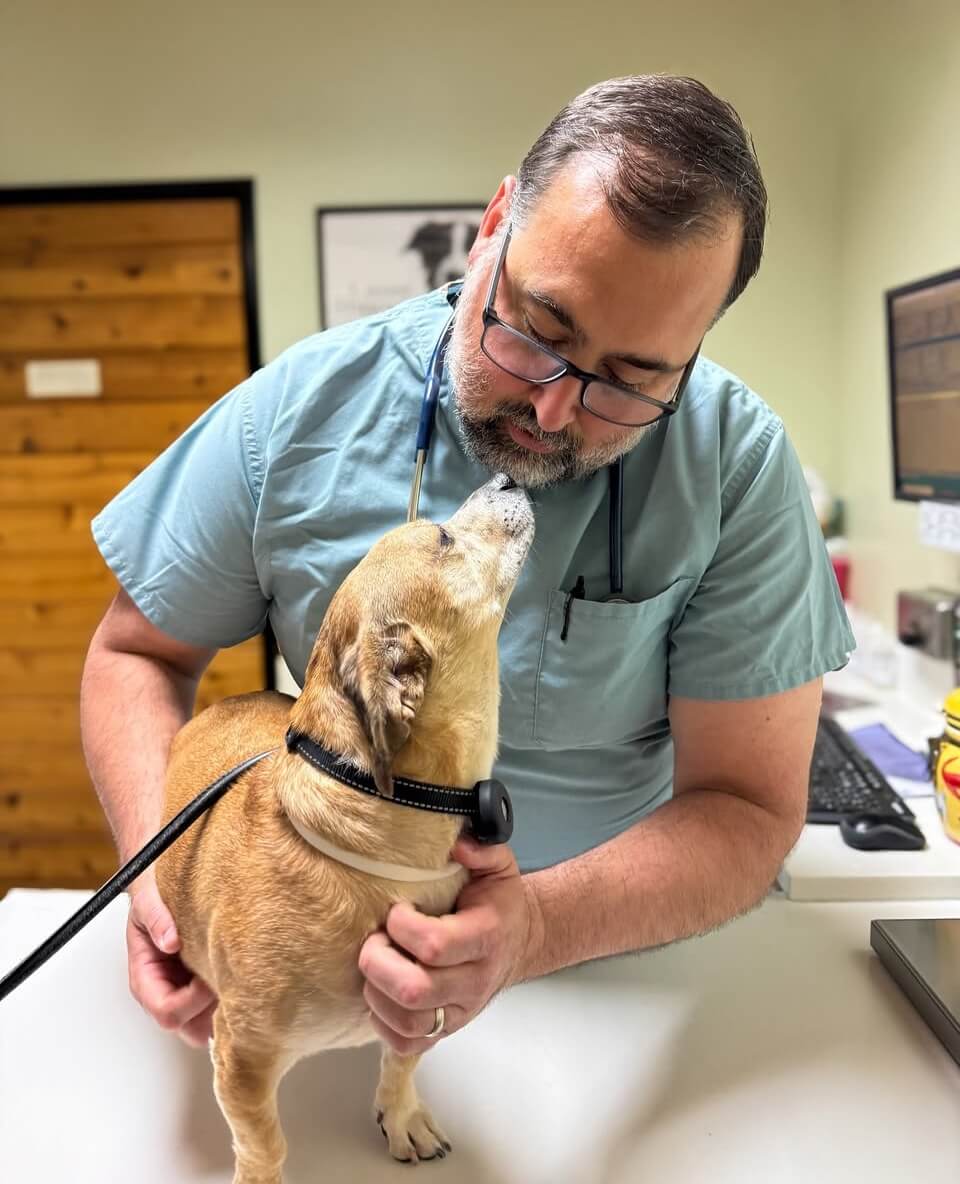 At-home care plays an essential role, but it can't replace professional dental exams. Annual exams and cleanings allow your veterinarian to detect early signs of disease and provide treatment before it becomes more serious.
Your veterinarian will recommend a dental care plan tailored to your pet, including when to begin yearly cleanings and which at-home products are most effective.
The most important takeaway is simple: gum disease rarely develops around clean teeth. By combining regular brushing, supportive dental products, and routine veterinary care, you can help your pet maintain a healthy mouth and a happier, more comfortable life.
If you live in or near Costa Mesa, CA, and are looking for dental care for your pet, contact us at (949) 612-2756 to set an appointment. Our staff would love to talk with you!